Brown Vertical Slat Wall Pattern: A Modern Fusion of Texture and Tone
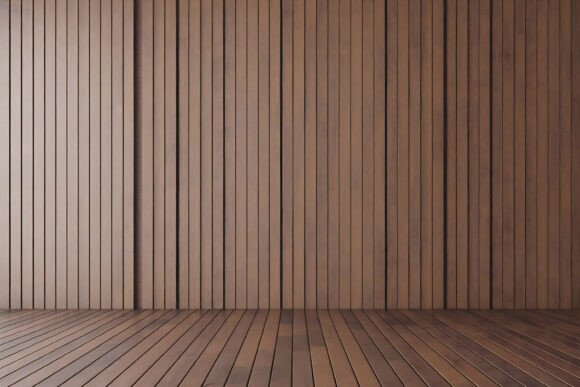
The Brown Vertical Slat Wall Pattern offers a refined interpretation of wood-inspired design, blending the warmth of natural materials with the sleekness of contemporary aesthetics. At 4096x2730 pixels, this high-resolution digital texture captures the depth and grain of real wood while maintaining the clean, linear rhythm of vertical slats. Unlike standard wood paneling textures, this pattern introduces a structured yet organic visual flow, making it suitable for both architectural and graphic design applications.
Defining the Brown Vertical Slat Wall Pattern
At its core, the Brown Vertical Slat Wall Pattern mimics the appearance of vertically arranged wooden planks with defined spacing between each slat. This creates a ribbed surface effect that plays with light and shadow, adding dimension without overwhelming a space. The brown finish leans toward darker wood tones, reminiscent of walnut or aged oak, lending a sense of depth and maturity to any design it enhances.
This texture is not limited to literal wood applications. It can be adapted to simulate acoustic wall panels, 3D wall coverings, or even digital backdrops for UI/UX design. Its high resolution ensures scalability, making it suitable for both print and screen-based projects where realism and clarity matter.
Comparing with Similar Textures and Materials
When placed alongside standard wood panel textures, the Brown Vertical Slat Wall Pattern distinguishes itself through its intentional spacing and linear rhythm. Traditional wood paneling often features solid, uninterrupted surfaces, which can feel heavy or outdated in modern settings. In contrast, the slat design introduces a sense of openness and movement, aligning better with current minimalist and industrial design trends.
- Compared to horizontal wood paneling: Vertical slats emphasize height and continuity, making rooms feel taller and more elongated.
- Compared to flat wood textures: The ribbed surface adds tactile and visual depth without requiring physical texture, ideal for digital applications.
- Compared to painted or faux wood finishes: This pattern retains the authenticity of natural wood grain while offering a more structured appearance.
Strengths and Best-Use Scenarios
One of the primary strengths of the Brown Vertical Slat Wall Pattern lies in its adaptability. It serves equally well as a background texture for digital interfaces or as a visual reference for architectural visualization. Designers working on hospitality interiors, office spaces, or product mockups will find it particularly useful due to its balance of warmth and modernity.
Its dark wood tone makes it especially effective in high-contrast environments. For example, in office design, it can anchor a feature wall while maintaining a professional and grounded feel. In hospitality settings like restaurants or boutique hotels, it can add texture without competing with other design elements. When used digitally, it provides a sophisticated backdrop for minimalist branding or editorial layouts.
Tradeoffs and Considerations
While the Brown Vertical Slat Wall Pattern offers many benefits, it may not be the best choice for every project. Its dark tone can absorb light rather than reflect it, making it less ideal for small or dimly lit spaces unless balanced with lighter elements. Additionally, its strong linear directionality may clash with overly busy or curvilinear designs, where a softer or more neutral texture would be preferable.
Designers should also consider the intended scale of the application. While the high-resolution format supports large-scale printing and rendering, smaller applications like mobile interfaces or compact print pieces may not fully utilize the texture’s detail, making simpler alternatives more efficient in those cases.
When to Choose the Brown Vertical Slat Wall Pattern
This texture is particularly well-suited for projects that aim to balance rustic charm with modern structure. It works well in:
- Contemporary office interiors seeking a grounded yet stylish wall finish
- Hospitality design where texture enhances ambiance without overpowering
- Graphic design and digital mockups that require a high-quality woodgrain texture with directional flow
- Architectural visualization projects needing a realistic but stylized wood paneling option
If your goal is to evoke warmth and sophistication while maintaining a clean, linear aesthetic, the Brown Vertical Slat Wall Pattern is a strong contender. It bridges the gap between traditional wood textures and modern design language, offering a versatile solution for a variety of creative needs.
Alternatives to Consider
For those seeking a lighter or more neutral option, horizontal wood panel textures or smooth wood finishes may provide a similar sense of warmth with less visual weight. If acoustic performance is a priority—such as in commercial office spaces—textured fabric or perforated wood alternatives may offer both aesthetic and functional benefits.
In digital applications, if the vertical rhythm of this pattern feels too structured, designers might explore randomized woodgrain textures or abstracted wood patterns that maintain the organic feel without the directional emphasis.
Final Thoughts
The Brown Vertical Slat Wall Pattern stands out as a thoughtfully designed texture that merges the best of natural aesthetics with modern minimalism. Whether used in physical spaces or digital compositions, it offers a level of detail and versatility that supports a wide range of design intentions. By understanding its strengths, limitations, and alternatives, designers can make informed choices that enhance both the visual and functional aspects of their projects.