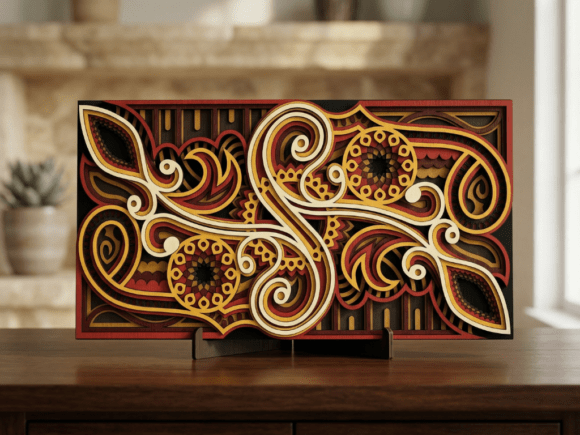
Multilayer Ornamental 1: A Versatile 3D Design for Creative Projects
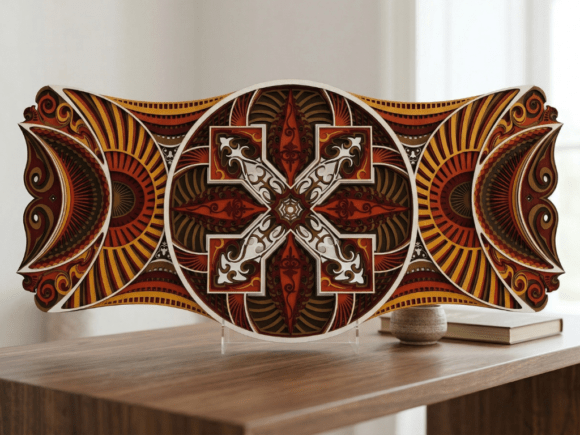
The Multilayer Ornamental 1 is a 6-layer panel design crafted for depth, detail, and visual impact. Whether you're a beginner exploring laser cutting or a professional seeking a refined decorative element, this design offers flexibility and precision. Its layered structure creates a sculptural effect that adapts to different materials and project needs.
What Makes Multilayer Ornamental 1 Unique?
At its core, Multilayer Ornamental 1 combines flowing patterns with geometric symmetry to produce a dynamic yet balanced aesthetic. Each of the six layers contributes to the overall depth, contrast, and dimensionality of the final piece. The design features:
- Curved linework with intricate internal details
- Layered framing for enhanced visual separation
- Optimized alignment for seamless assembly
The result is a premium decorative panel that feels modern yet timeless. Whether used as a wall art piece, a furniture accent, or part of a commercial display, it brings a sculptural quality that elevates any space.
Why It Matters to Different Users
How someone values the Multilayer Ornamental 1 often depends on their background and goals. Let’s explore how various audiences might approach this design differently.
Beginners: A Gateway to Laser Cutting
If you're new to laser cutting or digital fabrication, this design offers an accessible entry point. The layers are structured for easy alignment, making assembly straightforward. You can start with a small size and basic materials like acrylic or wood to test the process before scaling up.
For example, a hobbyist making a decorative plaque can use this design to learn about layer stacking, material contrast, and finishing techniques—all while creating a visually impressive piece.
Experienced Makers: Precision and Scalability
More experienced users may appreciate the technical aspects of the design. Each layer is optimized for laser cutting accuracy, ensuring clean lines and tight fits. The fully scalable vector files allow for adjustments in size and material thickness without losing quality.
A woodworker looking to add dimension to a custom cabinet could use Multilayer Ornamental 1 to create a high-end inlay or panel. The ability to scale means they can match the design to the specific dimensions of their project, whether it's a small drawer front or a large room divider.
Creative Professionals: A Decorative Design Element
Interior designers, set designers, or product developers may see Multilayer Ornamental 1 as a ready-made decorative asset. Its modern ornamental aesthetic bridges traditional and contemporary styles, making it adaptable to a wide range of applications.
Imagine using this panel as a statement wall piece in a boutique or as part of a retail display. With the right material choice—such as brushed metal or stained wood—the design can be tailored to fit a specific brand or visual theme.
Educators: A Teaching Tool for Digital Fabrication
In educational settings, this design can serve as a practical example for teaching layered construction and digital design workflows. It demonstrates how vector files can be used to create depth and structure through layering.
For instance, a design instructor might use it to show students how to prepare files for laser cutting, adjust for material thickness, and assemble multi-layered components. It’s a hands-on way to explore both technical and aesthetic considerations in fabrication.
Small Business Owners: Customizable Commercial Use
Entrepreneurs running a custom fabrication shop or a boutique laser cutting service can incorporate Multilayer Ornamental 1 into their product offerings. Because the design is scalable and adaptable to different materials, it opens up a range of customization options for clients.
A local shop could offer personalized wall art using this design, allowing customers to choose materials like acrylic, MDF, or even leather. The ability to produce at various sizes makes it suitable for both home decor and commercial interiors.
How to Evaluate If It’s Right for Your Project
When deciding whether to use Multilayer Ornamental 1, consider your priorities and skill level. Here’s a quick breakdown of key factors to weigh:
Beginners Might Prioritize:
- Ease of assembly – The design’s layered alignment makes it beginner-friendly.
- Learning value – Offers a chance to practice laser cutting and layering techniques.
- Cost-effective materials – Can be made from affordable materials like thin wood or acrylic.
Professionals Might Focus On:
- Design precision – Clean cuts and alignment ensure a polished final product.
- Customization – Fully scalable files allow for tailored dimensions and material choices.
- Commercial adaptability – Suitable for client projects, retail products, or interior installations.
Hobbyists and Makers May Look For:
- Creative flexibility – Can be painted, stained, or combined with other elements.
- Visual impact – Adds depth and dimension to personal projects without complex tools.
- Repeatability – Once set up, the design can be reproduced easily for gifts or small batches.
Practical Examples for Different Users
Here’s how different users might apply Multilayer Ornamental 1 in real-life scenarios:
- A blogger could create a custom background for a photoshoot or a branded wall panel for their studio.
- An educator might use it in a classroom setting to demonstrate layering techniques in digital fabrication.
- A small business owner could offer it as a customizable wall decor option on their e-commerce site.
- A furniture maker could incorporate it into a headboard, cabinet door, or room divider for added texture and visual interest.
Final Thoughts: Is Multilayer Ornamental 1 Right for You?
If you're looking for a design that offers both visual appeal and technical flexibility, Multilayer Ornamental 1 is worth considering. Whether you're a beginner wanting to learn, a creator looking for a refined decorative element, or a professional seeking scalable production, this layered panel design adapts to your needs.
Its combination of flowing patterns and structured geometry, along with the ability to scale and customize, makes it a valuable asset for a wide range of creative and commercial applications. By evaluating your own goals, materials, and skill level, you can determine how best to incorporate it into your next project.